

"Any Parent Can Help a New Reader"
written by Betty Miles

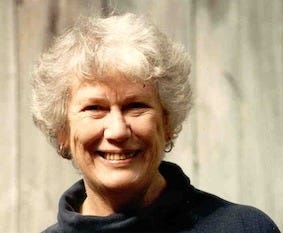
BETTY MILES has written more than thirty books for children, including easy readers, picture books, non-fiction books and nine novels for pre-adolescent readers.  Her book HEY! I’M READING! is the first book about reading, written for new readers and their families.  Betty Miles was an editor of the innovative Bank Street Readers.  She has taught kindergarten children, graduate students, and volunteersed as a visiting author in fourth grade classrooms at PS 291. Bronx, NY.  She spoke and lead workshops on reading and writing with children, parents, librarians, and teachers around the country.

Betty Miles is a graduate of Antioch College.  She taught children’s literature at Bank Street College of Education.
NOTES FOR PARENTS about The Army of Two by Betty Miles
This 7‑part story is a gift to children from Breakfast Serials. It’s something for them to enjoy today and to look forward to each week. Each chapter ends at an exciting moment that makes the reader eager to go on. That’s a great way to catch the reading habit.
All parents want their children to enjoy reading, but sometimes they aren’t sure how to help. The fact is, any parent can help a new reader. Showing your interest and pride in your child’s reading is a big first step. Talking about stories, reading aloud together, and sharing opinions are all important parts of reading for children and for adults, too.
HOW CAN I HELP my child read a story?
1. Read it yourself!
No one is too old for a story, and you’ll probably enjoy this one about two young American heroes. If you know what’s happening in the story, you’ll be ready to talk about it and to look forward to the next part with your child. You show respect for a child when you care about what they are reading.
And that’s not all. You know your children better than anyone else. So reading this story lets you find things in it that will interest them (perhaps old‑time clothes, or the seacoast, or brave girls in history). These are things you can talk about together, before or after they read this week’s chapter.
2. Read it aloud.
Reading experts say that reading aloud is the single most important thing parents can do to help their children become readers. But that’s not the only reason to do it. Making time for reading aloud lets you have a quiet, caring family time. Reading aloud lets younger children who don’t read yet, or who are just beginning, share a story with their older brothers and sisters. Reading aloud lets new readers hear the story before they try to read it themselves. Reading aloud lets you explain words and ideas just when they come into the story.
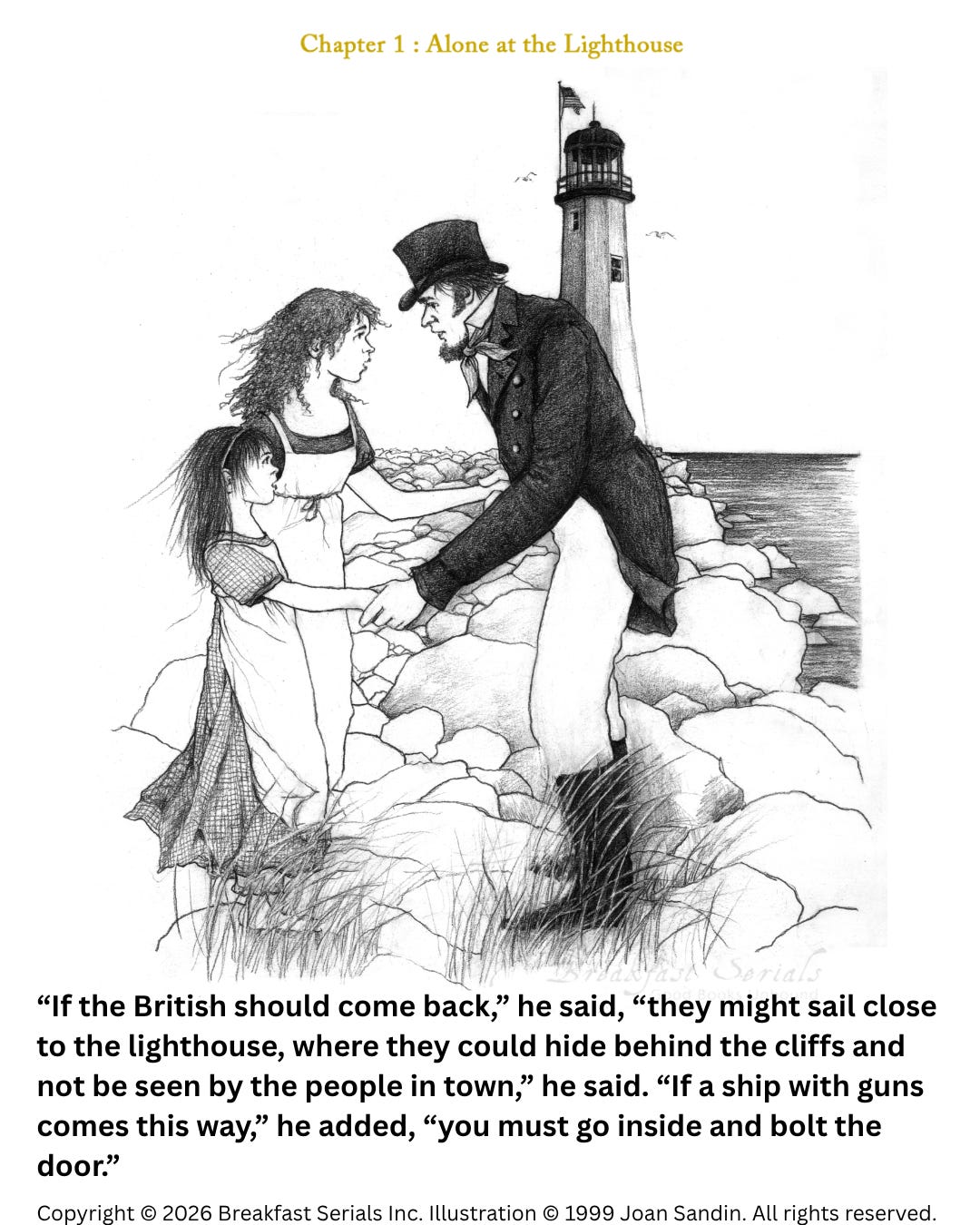
If your child is a beginner, you can help him to read along with you by pointing to some of the words you read aloud, like the names of the girls, or words like “lighthouse” or “ocean” or “ships.”
3. Talk about the story with your child.
It’s fun to talk about reading with people who are reading the same thing. We all like to share our opinions and questions about what we read. That’s why book groups are so popular.
Young readers like to share their opinions and questions, too. Sometimes they burst out with them in the middle of reading. Sometimes they think about the ideas in a story for a long time before they’re ready to talk about them. You can’t make a child talk about a story by asking a lot of questions‑‑that might seem more like a test than a discussion. But you can be ready to take your young reader’s questions seriously, and to offer thoughts of your own that will help your child think about what a story means.
For example, The Army of Two suggests some thoughts about bravery. When we hear about people who do brave things, most of us wonder, “Would I be brave enough to act like that?” True stories like this one about two real girls show that ordinary people can act bravely in tough situations. Reading about heroes like Abby and Becky gives us the courage to believe that we can be courageous, too. You and your child might want to talk about that.
